
The True Cost of a Vacant Rental (and How to Keep Your Days on Market Short)
Most owners think of a vacant month as a month without rent. That's only half the picture: the mortgage, insurance, utilities, and snow removal keep coming, and a vacant day can never be made up later.
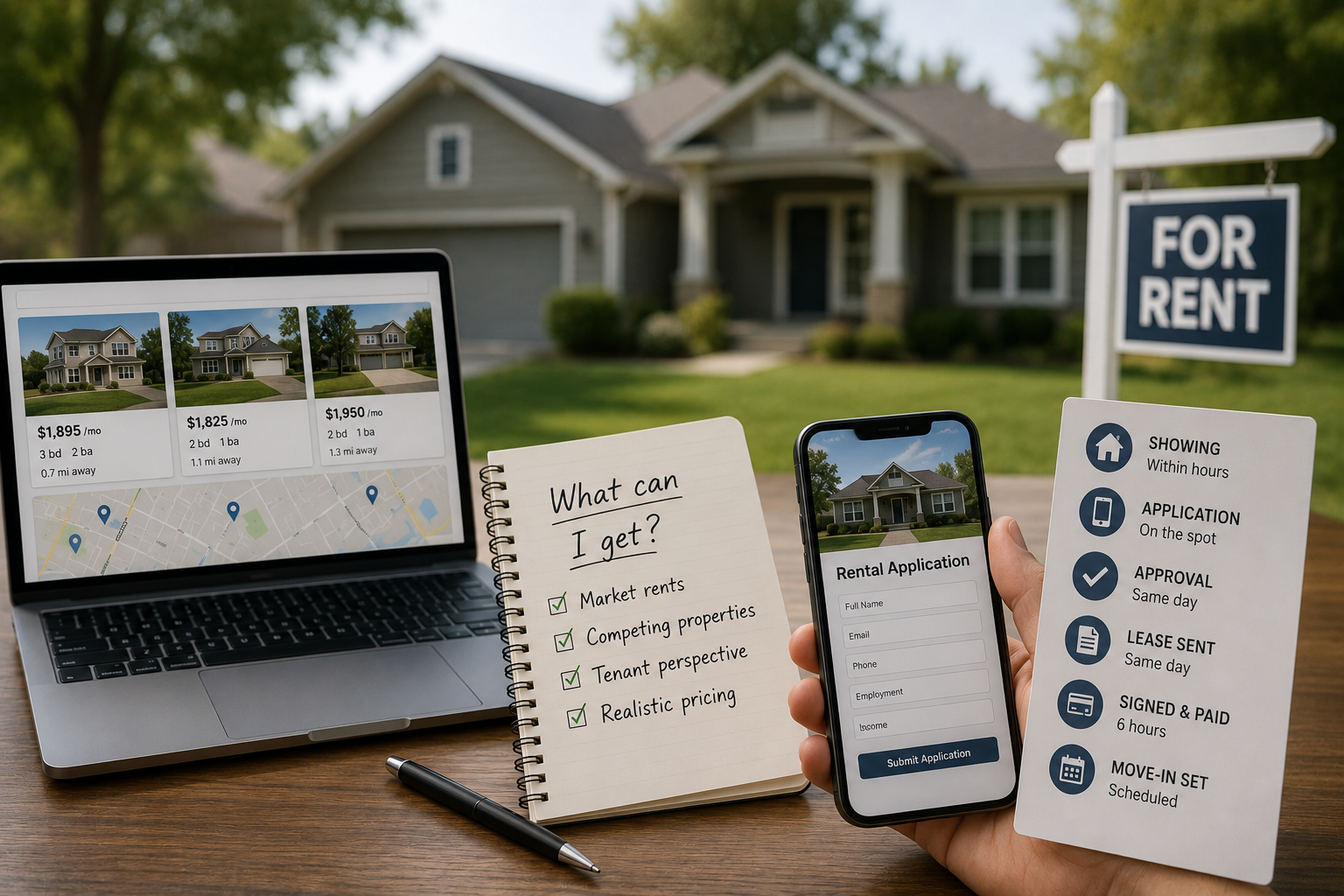
How to Actually Price Your Rental (And What Happens When You Get It Right)
The market doesn’t care about your mortgage. How to price a rental by what tenants will actually pay, and how a fast process got one signed lease in six hours.

Why We Turn Down Owners
Most property management content is about winning clients. This one’s about the opposite: the situations where we say no to an owner, and why.

What Actually Makes a Property Management Company Worth the Fee
Is a property manager worth the fee, or should you self-manage and keep it? It depends entirely on what that fee is actually buying. Here's what it should look like.
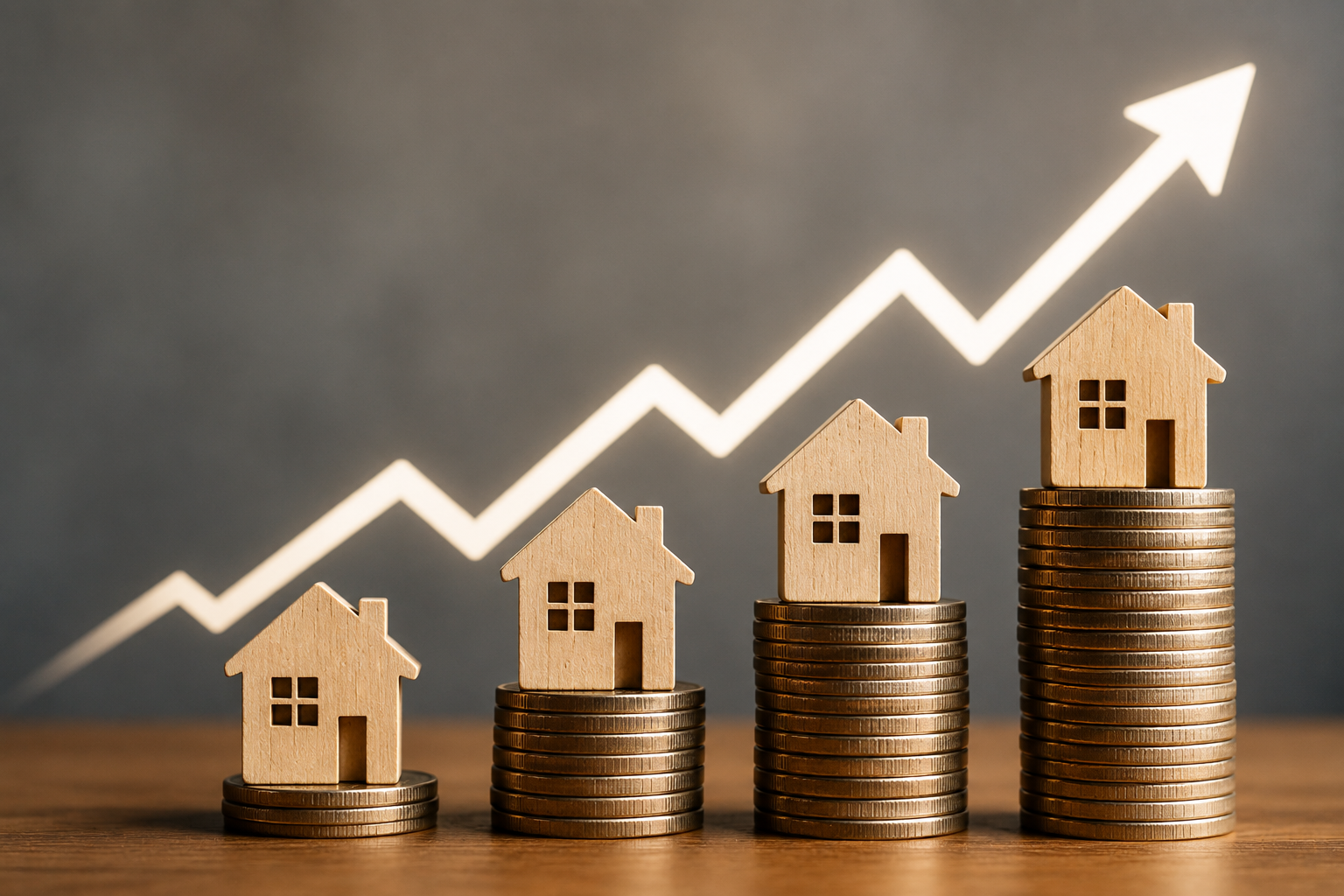
Why Rent Goes Up Even When Nothing Changed
"Nothing's different about this unit. Why is the rent going up?" It's a fair question, and the answer usually has very little to do with the unit itself.
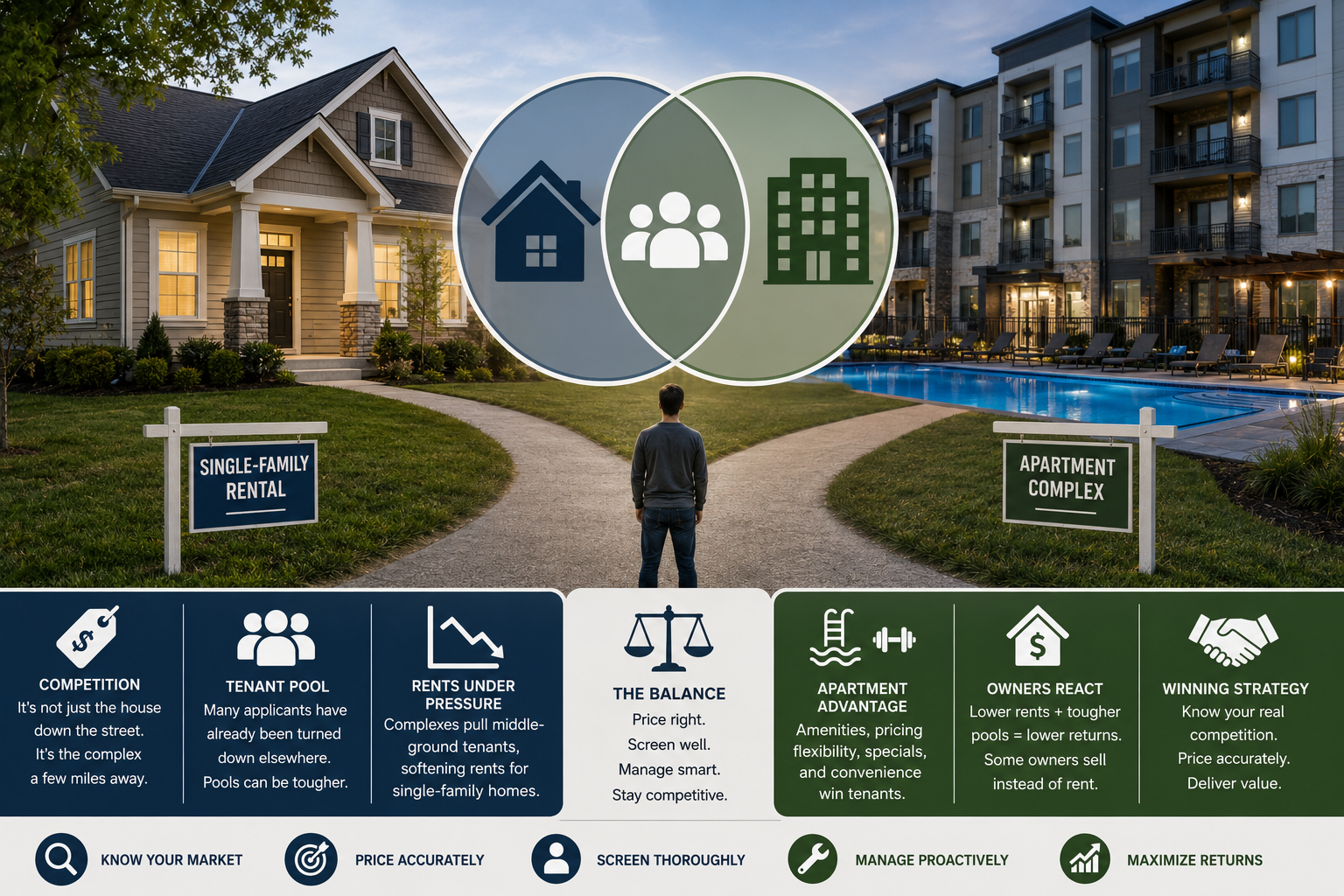
The Biggest Competition for Single-Family Landlords Isn't Another House
Your biggest competition probably isn't the house down the street. It's the apartment complex a few miles away, and it's quietly changing rents and applicant pools.
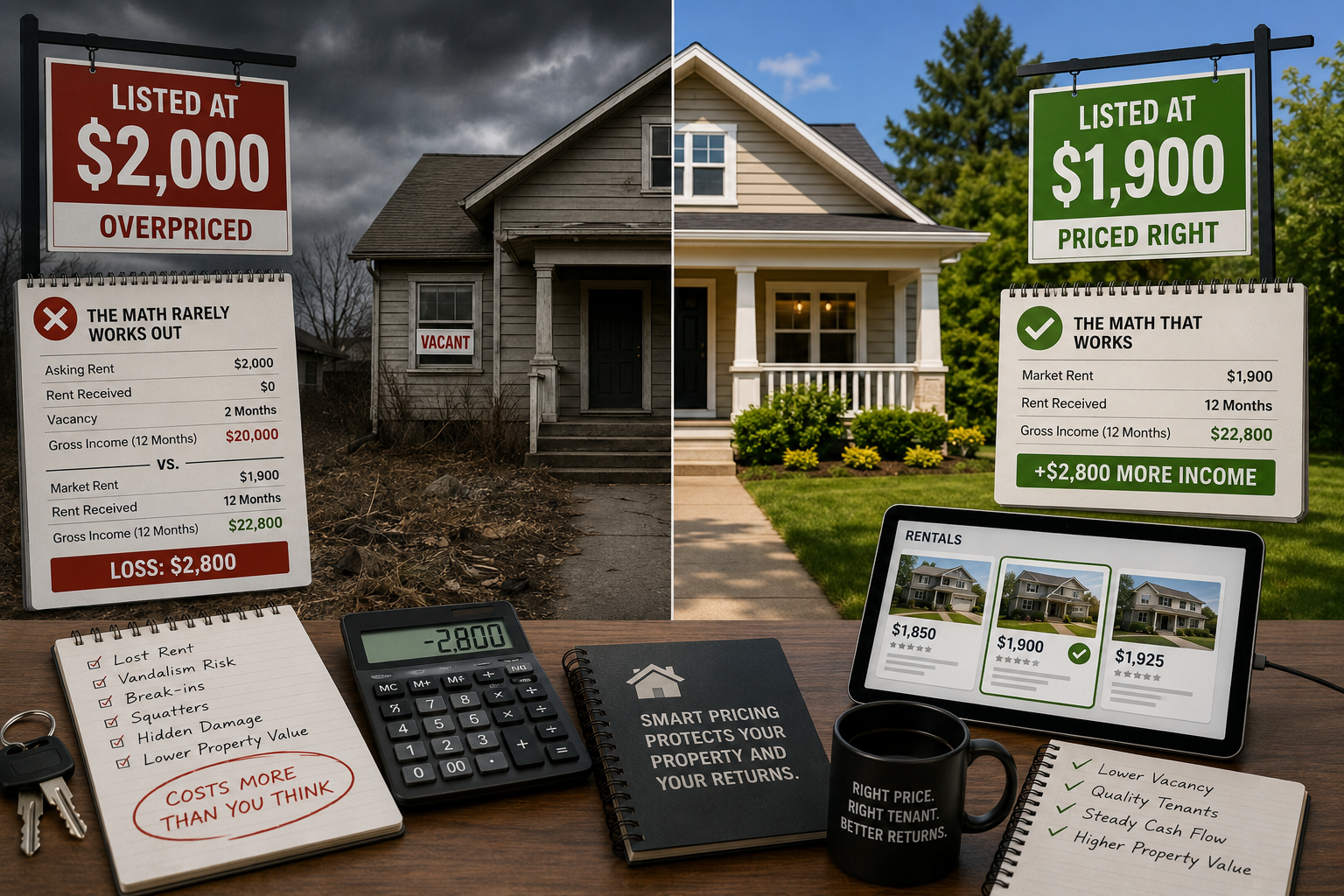
It Never Pays to Overprice Your Rental
Market rent is $1,900, so why not list at $2,000 and see what happens? In practice, that extra $100 almost always costs far more than it earns. Here’s why.
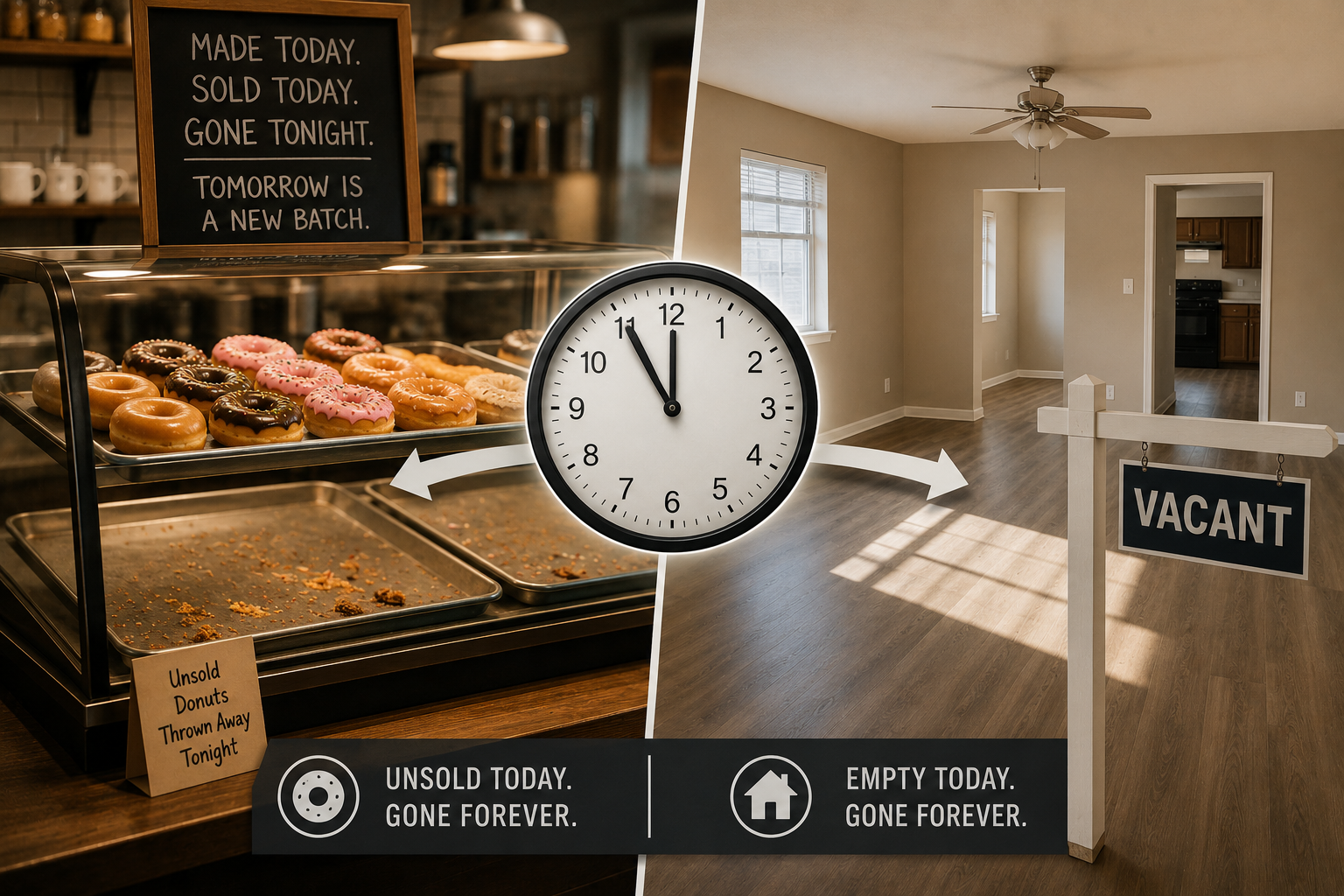
Your Rental Is a Perishable Product (And Most Owners Manage It Like It Isn't)
Every night a rental sits vacant is inventory that’s gone forever. Why your rental works like a donut shop, and why pricing and speed matter more than most owners think.
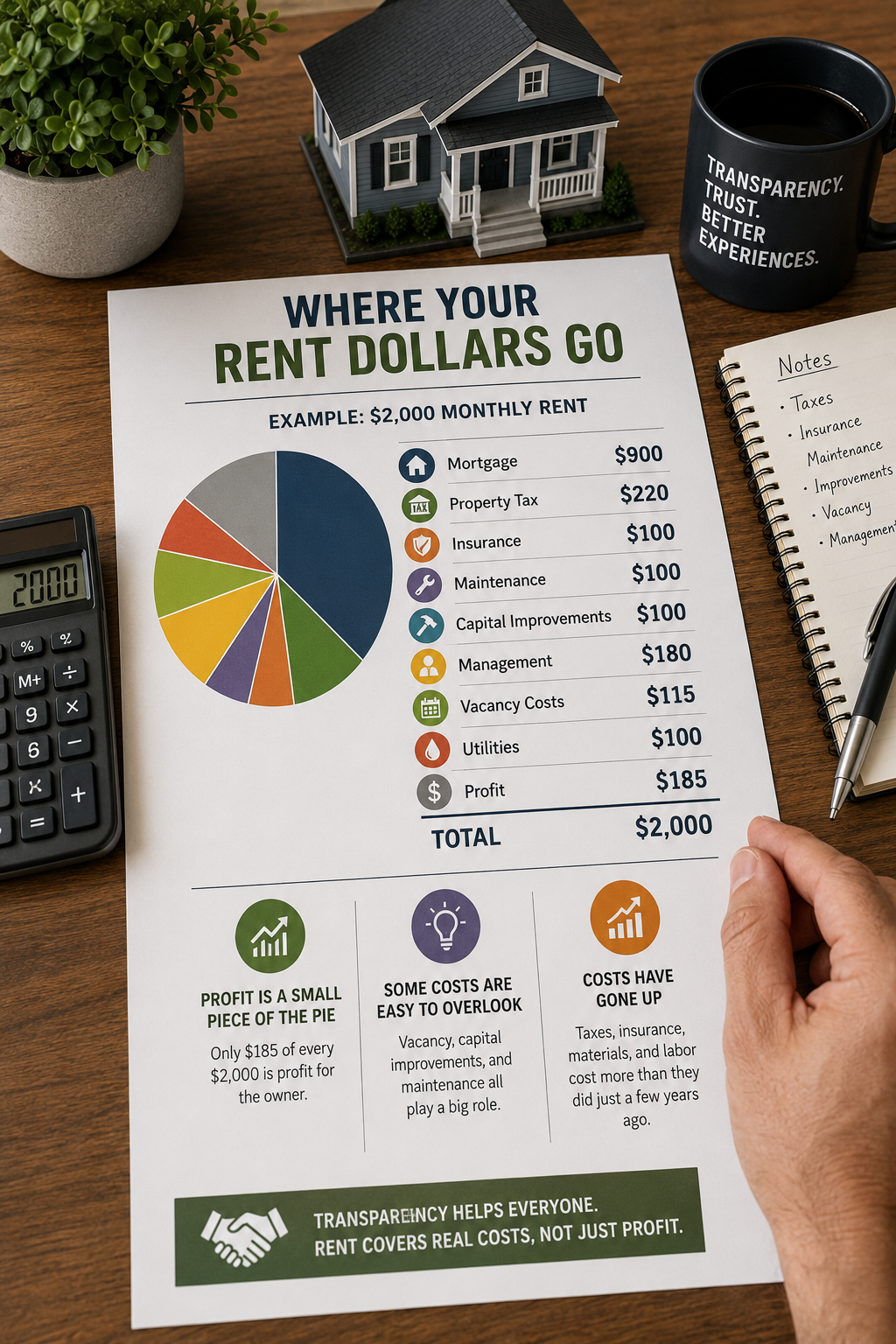
What Your Rent Actually Pays For
Rent can feel like one number that goes up for no clear reason. Here’s where $2,000 a month actually goes, and why only $185 of it is the owner’s profit.